
Navigating the Home Inspection Rollercoaster: How to Keep Your Cool and Keep Moving Forward
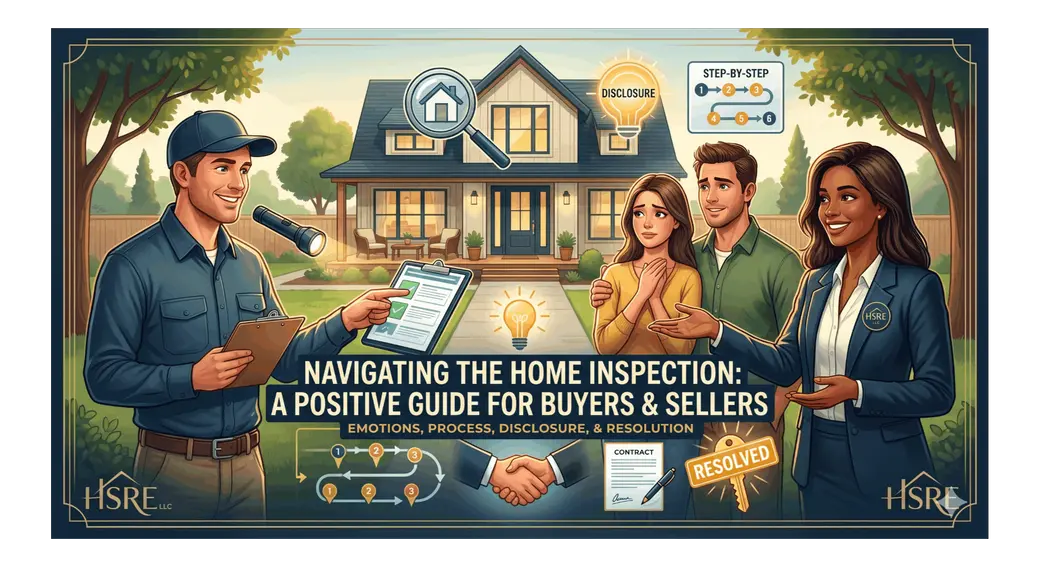
Navigating the Home Inspection Rollercoaster: How to Keep Your Cool and Keep Moving Forward
Buying or selling a home is a journey of milestones. You’ve agreed on a price, the contract is signed, and you're feeling a sense of victory. Then comes the home inspection.
Suddenly, a multi-page document arrives, filled with red text, technical jargon, and a list of "defects" that can make even the most beautiful property look like it’s held together by duct tape and wishful thinking.
It’s completely normal for emotions to run high during this phase of buying a home or selling a home. If you are feeling overwhelmed, defensive, or even a little misled, you are not alone. Let’s talk about why the inspection phase feels so intense, what to expect during a home inspection, and how we can work together to turn anxiety into a smooth path to closing.
The "I Feel Lied To" Phenomenon
One of the most common emotional hurdles during a home inspection is the feeling of betrayal.
-
For Buyers: You walk through a gorgeous home, fall in love, and then discover the electrical panel is outdated or there’s a slow leak behind the drywall. It’s easy to feel like the seller was trying to pull a fast one on you.
-
For Sellers: You’ve lived in your home for ten years, taken great care of it, and suddenly a stranger is pointing out issues you didn't even know existed. It can feel like a direct attack on your integrity and your home.
Here is the truth: Most of the time, nobody is lying.
Homes are complex systems. Just like we don’t know a pipe is corroding inside our own walls until it drips, sellers genuinely do not know about many of the issues an inspector uncovers.
Decoding the Report: What to Expect During a Home Inspection
When the buyer's inspector hands over their report, it can look like a novel. It’s important to understand the inspector’s job: they are paid to find absolutely everything.
An inspector is hired to look at the home under a microscope. Because of liability, their reports are naturally risk-averse. A home never actually "fails" a home inspection; rather, the report serves as an exhaustive home inspection checklist of the property’s current condition.
Your report will likely contain a mix of:
-
Major structural, safety, or system failures (the things we actually need to pay attention to).
-
Minor, everyday wear-and-tear (loose doorknobs, dirty furnace filters, or a torn window screen).
-
General maintenance tips (generic advice or building code updates for older homes that are technically grandfathered in).
Don't let the sheer volume of pages panic you. A 60-page report doesn't mean the house is falling down; it just means the inspector was doing a thorough job documenting every squeaky floorboard.
The Inspection Roadmap: Step-by-Step
To take the mystery out of this phase, here is exactly how the home inspection contingency process looks from the moment we open escrow to the final sign-off:
1. Going Under Contract & Navigating the Contingency Period
As soon as the contract is fully executed, the clock starts ticking on our home inspection contingency window. We will immediately order and schedule a certified professional home inspector to visit the property.
2. The Inspection Day (Giving the Pro Some Space)
While buyers and sellers are technically welcome to be present, we highly recommend giving the inspector plenty of space. Inspectors need to focus entirely on safety hazards, structural elements, and hundreds of minor details without distraction.
-
Best Practice for Buyers: Plan to arrive during the last 30 minutes of the inspection. This gives you a chance to walk through the home with the inspector, look at any key findings together, and ask questions firsthand.
-
Best Practice for Sellers: It is highly recommended that sellers (and pets!) leave the home during the inspection so the buyer and inspector can speak freely and evaluate the property thoroughly.
3. Reviewing the Report
Once we receive the report, we won't panic. We will sit down together, review the findings line by line, and filter out the minor cosmetic issues to focus on what truly matters. (Remember, if things are too overwhelming, a buyer often has the right to walk away after a home inspection, but our goal is always to find a collaborative path forward).
4. Negotiating Repairs After a Home Inspection
If we find items that need addressing, we will draft a formal repair request (or ask for a financial credit). This is where a healthy negotiation takes place. The seller may agree to fix everything, offer to fix some things, or provide a credit so the buyer can handle the repairs after closing.
5. Repair Completion & Re-Inspection
Once we reach an agreement and the seller completes the repairs, the seller's side will formally notify us and provide professional receipts or invoices. From there, we don't just take their word for it—we have the right to review the work, walk the property, or even have our inspector return for a quick re-inspection after repairs to verify that everything was done professionally and safely before we head to the closing table.
Understanding Disclosures: What are Seller Disclosure Requirements?
When unexpected issues pop up during these steps, clients often ask, "Shouldn't this have been on the disclosure form?"
Legally, sellers are bound by strict seller disclosure requirements regarding material defects that could affect the property's value or safety. Here is a quick breakdown of how this works:
-
What Must Be Disclosed: Any known material defects. If the basement flooded last spring and the sellers dried it out, they must disclose it. If they know the roof leaks when it rains sideways, they must disclose it.
-
The Timeframe: Sellers are legally bound to disclose these material defects during the time they own the property. They cannot hide active issues.
-
The "Unknown" Loophole: A seller cannot disclose what they do not know. If there is mold behind a basement wood panel that has never been disturbed, they legally can't disclose it because they had no knowledge of its existence.
This is why the professional home inspection exists! It isn't to catch a seller in a lie; it’s to discover the invisible elements of the home so both parties can proceed with open eyes.
3 Positive Ways to Handle the Inspection Phase
So, how do we get through this phase without losing our minds? By shifting our perspective and using a few simple strategies:
1. Focus on the "Big Three"
When reviewing an inspection report, filter out the noise. We want to focus on:
-
Safety Issues: Exposed wiring, mold, radon, or gas leaks.
-
Structural Integrity: Foundation cracks, shifting walls, or compromised framing.
-
Major Systems: A failing roof, a dead HVAC system, or major plumbing issues.
Everything else—like cosmetic dings or old carpet—can usually be handled over time as regular home maintenance.
2. Remember, Everything is Negotiable
An inspection report is not a deal-killer; it’s a tool for negotiation. Finding an issue doesn't mean the transaction is over. It simply opens the door to options: the seller can repair the issue, offer a financial credit so the buyer can fix it after closing, or adjust the sale price.
3. Keep the Big Picture in Mind
Don’t let a minor repair stand in the way of a beautiful home or a successful sale. Keep your eyes on the ultimate goal: getting keys in hand or moving on to your next adventure.
Your Greatest Asset: Leaning on Real Estate Agent Support
You don't have to carry the emotional weight of this process alone. As your real estate partner, my job is to be your shield, your advisor, and your negotiator.
I’ve guided hundreds of clients through the inspection roller coaster. I know how to separate the minor details from the major red flags, how to obtain reliable contractor estimates quickly, and how to communicate effectively with the other party to keep emotions cool.
We are a team. When that report comes in, we will sit down, breathe, prioritize the real issues, and build a strategic plan to move forward.
Planning to buy or sell soon? Let's connect today to talk about how we can make your next real estate move as smooth and stress-free as possible!
Categories
Recent Posts










Real Estate Advisor License ID: 2020002093
+1(513) 323-6822 | ahagenstein@hsrellc.com